Universal Design for Learning (UDL) Strategies in the EFL Classroom
Introduction
In today’s diverse classrooms, English as a Foreign Language (EFL) teachers face the challenge of meeting the needs of students with different learning styles, backgrounds, and abilities. This is where Universal Design for Learning (UDL) comes in—a flexible teaching framework designed to make learning more accessible and engaging for all students. By implementing UDL strategies, EFL teachers can create an inclusive environment where every learner has the opportunity to succeed.
What is UDL?
Universal Design for Learning (UDL) is an educational approach that removes barriers to learning by offering multiple ways for students to engage with content, process information, and demonstrate understanding. UDL is built on three key principles:
- Multiple Means of Engagement (The Why of Learning) – Providing different ways to motivate and involve students.
- Multiple Means of Representation (The What of Learning) – Presenting information in diverse formats.
- Multiple Means of Action & Expression (The How of Learning) – Allowing students to demonstrate their learning in various ways.
UDL Strategies for the EFL Classroom
1. Multiple Means of Engagement: Making Learning Meaningful
Students are more motivated when they see the relevance of learning English in their lives. Here’s how EFL teachers can engage students using UDL:
- Use real-world connections: Incorporate authentic materials like news articles, podcasts, and videos related to students’ interests.
- Offer choices in learning activities: Allow students to choose between writing, speaking, or creating a digital presentation.
- Encourage collaborative learning: Group activities, peer discussions, and role-playing can make language learning more interactive and engaging.
- Gamify the learning process: Use quizzes, flashcards, and educational games to make lessons more fun and interactive.
2. Multiple Means of Representation: Presenting Information in Different Ways
EFL students process information differently, so it’s essential to provide various ways of presenting new concepts:
- Use visual aids: Pictures, infographics, and mind maps can help students understand new vocabulary and grammar rules.
- Provide audio and video resources: Listening to native speakers through podcasts, songs, and videos can improve pronunciation and comprehension.
- Incorporate hands-on activities: Using gestures, real objects, and role-playing can reinforce language concepts.
- Break down complex concepts: Use scaffolding techniques like guided notes and step-by-step instructions to make learning easier.
3. Multiple Means of Action & Expression: Allowing Students to Demonstrate Learning in Various Ways
Every student has a unique way of expressing what they have learned. UDL encourages flexibility in assessments and activities:
- Provide different response options: Allow students to demonstrate knowledge through written assignments, oral presentations, videos, or posters.
- Use technology for accessibility: Speech-to-text tools, translation apps, and digital storytelling platforms can help students express their ideas more effectively.
- Encourage peer feedback and reflection: Having students give constructive feedback to each other promotes confidence and self-awareness in language learning.
- Personalized goal setting: Let students set their own learning goals and track their progress in a way that suits them best.
Sample UDL-Inspired Lesson Plan
Lesson Topic: Describing People and Personalities
Objective: Students will learn and practice vocabulary related to physical appearance and personality traits while engaging in multiple forms of learning and expression.
1. Multiple Means of Engagement:
- Begin with a short video clip showing diverse people with different appearances and personalities.
- Ask students to share their observations in pairs or small groups.
- Provide a choice of discussion questions based on students’ interests.
2. Multiple Means of Representation:
- Introduce key vocabulary through a combination of images, written descriptions, and audio clips.
- Use an interactive PowerPoint with animations and voiceovers to reinforce understanding.
- Offer printed vocabulary lists, word maps, and online flashcards for additional support.
3. Multiple Means of Action & Expression:
- Allow students to choose how they demonstrate their understanding: writing a paragraph, creating a digital collage, recording a short voice message, or acting out a dialogue.
- Encourage peer feedback through a gallery walk where students showcase their work.
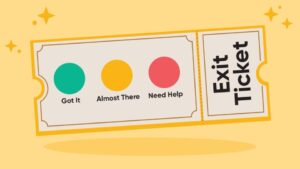
- Use a simple self-assessment checklist where students reflect on their learning progress.
Conclusion
By implementing UDL strategies in the EFL classroom, teachers can create an inclusive, student-centered learning environment that meets the needs of all learners. When students are given multiple ways to engage, access, and express their understanding, they become more confident, motivated, and successful in learning English.
Are you ready to make your EFL classroom more inclusive? Try incorporating some of these UDL strategies and watch your students thrive!